
"Pacific Coffee history"
1000 article(s) found
Brief introduction of planting market price of Costa Rican yellow honey Yersa Rocadura boutique coffee bean varieties
Variety: Kaddura, Kaduai seed processing plant: Yerzaro treatment factory flavor: Brown sugar, almonds, black tea Costa Rica is the country where coffee was first introduced into Central America, with a long history and a complete coffee organization from production to marketing system. Because it is located in the Central American Gap, the territory is full of volcanoes and has the natural advantages of sunshine and land, so it is affected by both the Pacific and Atlantic oceans in climate.

Introduction to the Flavor and Taste of High-quality Coffee Bean Manor
In 1863, rich saltpetre deposits were discovered in Atacama province along the Pacific coast. In 1879, Chile sent troops to occupy the mining area, and Bolivia joined forces with Peru to wage the Pacific War with Chile. Bolivia was defeated in 1883 and ceded the saltpeter-rich Pacific coast to Chile in 1904. Bolivia lost its only coastal province, including the important port of Antofagasta, from
Introduction to the method of variety treatment in the grinding scale production area of Costa Rican yellow honey flavor coffee
Costa Rican yellow honey flavor coffee grinding scale production area variety treatment method Costa Rica is the country where coffee was first introduced into Central America, with a long history and a complete coffee organization from production to marketing system. Because it is located in the Central American Gorge, the territory is full of volcanoes and has the natural advantages of sunshine and land, and the climate is reconciled by Pacific and Atlantic currents and sea breezes.

Java coffee history Java coffee characteristics Indonesian Java coffee beans
Legend of Java, Indonesia: the best coffee of the time was planted on the Indonesian island of Java more than 100 years ago, and at the same time, these Java coffee trees were affected by the epidemic.

Introduction to the characteristics of high-quality coffee beans in the flavor and taste producing area of Hassanda Coffee Garden in Ecuador
Port Guayaquil is the largest seaport in Ecuador. It faces the Pacific Ocean and backs against Mount Santa Ana. The nearby island of Pune serves as a natural barrier to protect the harbour from storms. There is a wharf in the south, which is more than 900 meters long. Ships from different parts of the world flying various flags are moored in the harbor. The port railway leads to the capital Quito, and highways connect Quito with other cities in the country.

Introduction to boutique coffee with obvious rich flavor and taste characteristics of Bolivian coffee manor
In 1863, rich saltpetre deposits were discovered in Atacama province along the Pacific coast. In 1879, Chile sent troops to occupy the mining area, and Bolivia joined forces with Peru to wage the Pacific War with Chile. Bolivia was defeated in 1883 and ceded the saltpeter-rich Pacific coast to Chile in 1904. Bolivia lost its only coastal province, including the important port of Antofagasta, from

Li Haitao: the "one, two, three" strategy helps the development of Pacific Coffee Enterprises
According to statistics, the coffee industry is growing at an annual rate of 25%. It is estimated that by 2020, the capacity of China's coffee market will reach 300 billion, which is expected to become an important increase in the catering industry. As a result, a large number of chain coffee brands have appeared in China, deducing their imagination of the Chinese coffee market. At the same time, Pacific Coffee (Special Reading) has been in mainland China for 6 years.
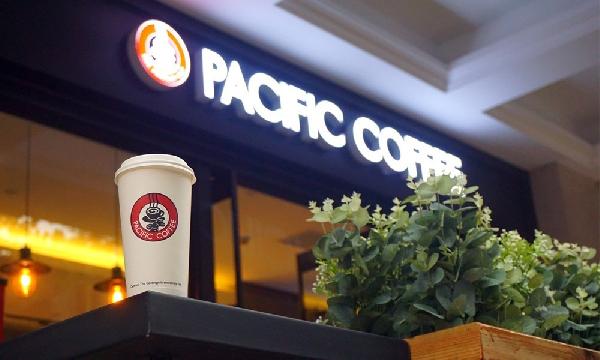
Open to join, push hand to make coffee. What game of chess is Pacific Coffee playing?
Cafes in China are affected by the market environment, with many brands and rich forms. they are the product of experience economy, with high-end well-known chain brands and independent small shops with different tastes. At the same time, as a panacea that can be used in a variety of ways, it can also be mixed with different formats. The whole coffee industry market is in a period of rapid development in which a hundred flowers blossom. Face the fierce competition

Introduction to the flavor and taste characteristics of boutique coffee manor varieties in Ecuador
Port Guayaquil is the largest seaport in Ecuador. It faces the Pacific Ocean and backs against Mount Santa Ana. The nearby island of Pune serves as a natural barrier to protect the harbour from storms. There is a wharf in the south, which is more than 900 meters long. Ships from different parts of the world flying various flags are moored in the harbor. The port railway leads to the capital Quito, and highways connect Quito with other cities in the country.

The history of Panamanian coffee, the market for Panamanian coffee, where did Panamanian coffee come from?
Professional Coffee knowledge Exchange more information about coffee beans Please follow the history and market of Panamanian coffee in the coffee workshop (Wechat official account cafe_style) the first coffee trees are thought to have been brought by a British captain who settled in Panama in the early 19th century. Although they were originally planted in coastal areas, the colonists began to seriously grow them in the Poquet Valley and the western highlands.

Description of the Flavor of Costa Rican Yellow Honey Coffee introduction to the method of taste treatment in producing areas of varieties
Costa Rican coffee Costa Rica is the country where coffee was first introduced into Central America. It has a long history and has a complete coffee organization from production to marketing system. Because it is located in the Central American Gorge, which is full of volcanoes, has the natural advantages of sunshine and land, and is tempered by Pacific and Atlantic currents and sea breezes at the same time, the coffee produced has the characteristics of local micro-climate.

Aroma rich and unique Bolivian coffee grind characteristics Taste flavor description Variety introduction
In 1863, a rich deposit of saltpeter was discovered in Atacama province on the Pacific coast. In 1879 Chile sent troops to occupy Kuangqu, Bolivia and Peru united, and Chile fought the Pacific War. Bolivia lost its defeat in 1883, ceded the Pacific coast rich in saltpeter to Chile in 1904, and Bolivia lost its only coastal province, including the important port of Antofagasta, from

Coffee common sense fragrant Guatemala Antigua coffee
Fragrant history a cup of Guatemalan Antigua coffee seems to let us see the sudden disappearance of the mysterious Mayans multiply in the ancient land, history brushed away their existence, history has achieved their eternity. If a person's wrinkles depict a person's path, then the smell of coffee remembers the origin of a cup of coffee: about its hometown and harvest year.

Flavor and taste characteristics of Panamanian coffee manor with rich dry aroma introduction to fine coffee
Panama City, originally an Indian fishing village, is now divided into three parts: the ancient city, the old city and the new city. With a population of 830000, Panama City is a famous city with a long history. In 1513, the navigator Barboa landed on Central America from the Atlantic Ocean. When he was looking at the terrain on a mountain, he suddenly saw the Pacific Ocean in his glasses and immediately realized that the place was geographically important.

Historical Origin of Guatemalan Coffee
A cup of Antigua coffee in Guatemala seems to let us see the sudden disappearance of the mysterious Mayans multiply in the ancient land, history brushed away their existence, history has achieved their eternity. If a person's wrinkles depict a person's path, then the smell of coffee remembers the origin of a cup of coffee: about its hometown, harvest time, baking and research.

The History of Guatemalan Coffee, the Old Story of the aristocracy in Coffee-Guatemalan Coffee
Professional barista communication please follow the coffee workshop (Wechat official account cafe_style) Guatemalan coffee: produced in Guatemala, this bean belongs to the bourbon kind of coffee beans, is one of the more sour varieties, mellow and slightly wild taste, the most suitable for blending into mixed coffee. Guatemalan Coffee History: a cup of Guatemalan Antigua coffee seems to show us

The ancient cultural story of Antigua coffee in Guatemala
Fragrant history a cup of Guatemalan Antigua coffee seems to let us see the sudden disappearance of the mysterious Mayans multiply in the ancient land, history brushed away their existence, history has achieved their eternity. If a person's wrinkles depict a person's path, then the smell of coffee remembers the origin of a cup of coffee: about its hometown and harvest year.

The History of Coffee: Colombian Coffee of good quality
For more information on coffee beans, follow the Coffee Workshop (official Wechat account cafe_style) in 1808, coffee was first introduced to Colombia by a priest from the French Antilles via Venezuela. Today, the country is the second largest producer after Brazil, with an annual output of 13 million bags of 60 kg each.
Do you know the history of Starbucks? Starbucks coffee is a good coffee that can be drunk at any time.
For coffee drinkers, Starbucks is a familiar name, which originated from the protagonist of Moby Dick, a classic by Herman Melville, an outstanding American literary master in the 19th century. In 1971, Gerald Baldwin and Gordon Pork opened the first coffee bean and spice store Starbucks in Seattle, USA. 1987

Introduction to the manor of Nicaraguan single bean flavor description, planting and development history of producing areas
For professional baristas, please pay attention to the coffee workshop (Wechat official account cafe_style) Nicaraguan coffee has been forgotten in Taiwan in recent years, and Nicaraguan coffee is rarely seen. In fact, the growing conditions in Nicaragua are not inferior to those in Central American countries. The coffee produced is characterized by freshness and balance. What is amazing is that the coffee produced by small farmers has Costa Rica in its shallow roasting.